The Fed Hike That Wasn't
Going into Wednesday's FOMC meeting, Citadel Securities threw a curveball at markets. Frank Flight, the firm's head of macro strategy, argued the Fed should deliver a surprise quarter-point hike rather than wait until September, saying the move would "emphatically end the forward guidance era" and cement new Chair Kevin Warsh's inflation-fighting credibility. The call gained enough traction that interest-rate swaps briefly priced in roughly a one-in-three chance of a hike, an unusually high level of uncertainty heading into the decision, and enough to trigger record demand for hedging against a surprise move. In the end, the Fed held. The FOMC voted 9–3 on Wednesday to keep the federal funds rate at 3.50%–3.75% for a fifth straight meeting, the longest stretched pause since 2008. Kevin Warsh, keeping with his stated preference for less advance signaling, delivered a shorter-than-usual post-meeting statement that offered little guidance on September. Stocks sold off into and just after the decision, with the Dow dropping about 1.5% and the S&P 500 and Nasdaq each sliding roughly 0.6%, before Wednesday's wave of tech earnings took over the market narrative. The S&P500 closed relatively flat for the month of July while the Nasdaq slid around 3%.

Situational Awareness: The Sacrifice Markets Need to Pusher Higher?
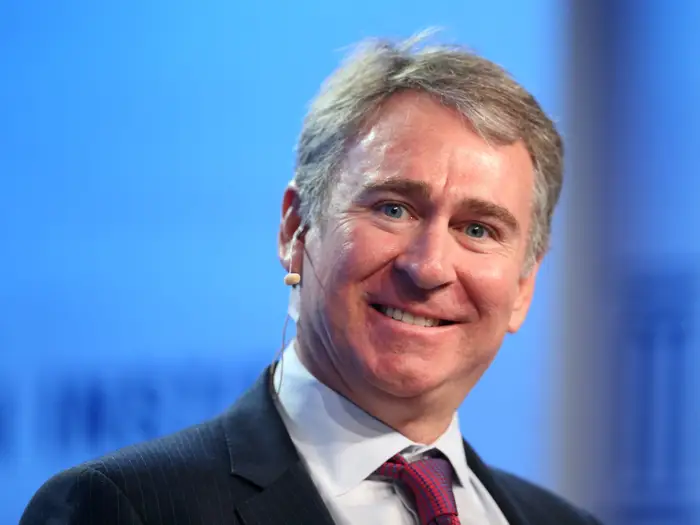
The week's most dramatic story belonged to Leopold Aschenbrenner, a 25-year-old former OpenAI researcher whose hedge fund, Situational Awareness, was forced into a fire sale after a brutal month of losses. The fund was named after Aschenbrenner's widely circulated 2024 AI manifesto letter, which had grown to roughly $45 billion in assets at the start of July on the back of concentrated, heavily leveraged bets on AI infrastructure names like SK Hynix, CoreWeave, Nebius, Micron, and Sandisk, reportedly using leverage as high as 400%. The South Korea KOSPI index took a sharp turn last month and US markets followed suit. When the most crowded AI names began tumbling, prime brokers Bank of America, Goldman Sachs, and JPMorgan began issuing margin calls. By Thursday, the fund had been forced to offload its entire leveraged public-equity book in a giant block trade. Ken Griffin's Citadel stepped in as the buyer, reportedly at a discount around 40 cents on the dollar. Assets shrank from $45 billion to around $10 billion in a matter of days, and the fund told clients in a letter, "We let you down this month," according to the Wall Street Journal, which reported the fund was down 67% in July alone, a remarkable reversal for a strategy that had reportedly returned 439% for the year through June and over 1,500% since inception. It was at this moment that this hedge fund was in fact, not hedged. The episode of the forced unwind actually may have helped remove a major source of selling pressure and could mark a near-term bottom for battered AI infrastructure stocks.
Big Tech Earnings
This was also one of the busiest weeks of earnings season, with Microsoft, Meta, Apple, and Amazon all reporting within 48 hours of each other. This week was to show the market distinctions between AI winners and spenders. Microsoft was a standout. Fiscal Q4 earnings of $4.74 per share on $90.0 billion in revenue beat top line and EPS estimates, driven by Azure cloud revenue growth of 43% and continued Copilot adoption (now above 30 million paid seats). The stock jumped as much as double digits on the results. Amazon delivered its own blowout. Q2 revenue crossed $200 billion for the first time in company history, with AWS growing 37% year-over-year, its fastest pace in 18 quarters. Operating income rose 43% to $27.5 billion, and management raised 2026 capex guidance to about $220 billion. Shares surged roughly 9–10% in after-hours trading. Meta and Apple, by contrast, sold off. Meta dropped roughly 8% after its report as investors balked at the scale of its AI spending, erasing about $85 billion in market capitalization. Apple fell even harder, down more than 6% initially and losing over $350 billion in market value over the week. The company issued weaker-than-expected guidance tied to supply constraints, even though Apple has largely avoided the massive AI capex buildout of its megacap peers. Taken together, Amazon, Microsoft, and Alphabet (which had reported strong Google Cloud growth of 82% the week prior) added roughly $1.5 trillion in combined market value this week, while Apple and Meta's declines made clear that Wall Street is now drawing distinctions between AI infrastructure winners and companies whose AI spending isn't yet translating into visible returns yet.
Looking Ahead
This week ahead, we have Palantir, AMD, SanDisk, and Uber among others reporting earnings. There is no FOMC in August, however, these is a July CPI read on August 12 that the Fed and markets will keep note on. The Fed's next meeting not until mid-September and Warsh set to speak at Jackson Hole in August, all of this sets up a headline sensitive stretch for markets heading into the fall.